

Your Guide to Bridal Fabrics
When choosing your wedding gown, most brides focus on silhouette, neckline, or refined detail. But behind every show-stopping dress is a fabric that sets the tone, controls the drape and shapes the overall look and feel. From fluid organza to sculptural mikado, your fabric choice will influence how you look, move and feel, both on the day itself and in every photo that follows.
Here’s everything you need to know about the most popular bridal fabrics for the coming 2026 season, so you can float, glide, or shimmer down the aisle in a way that feels true to you.
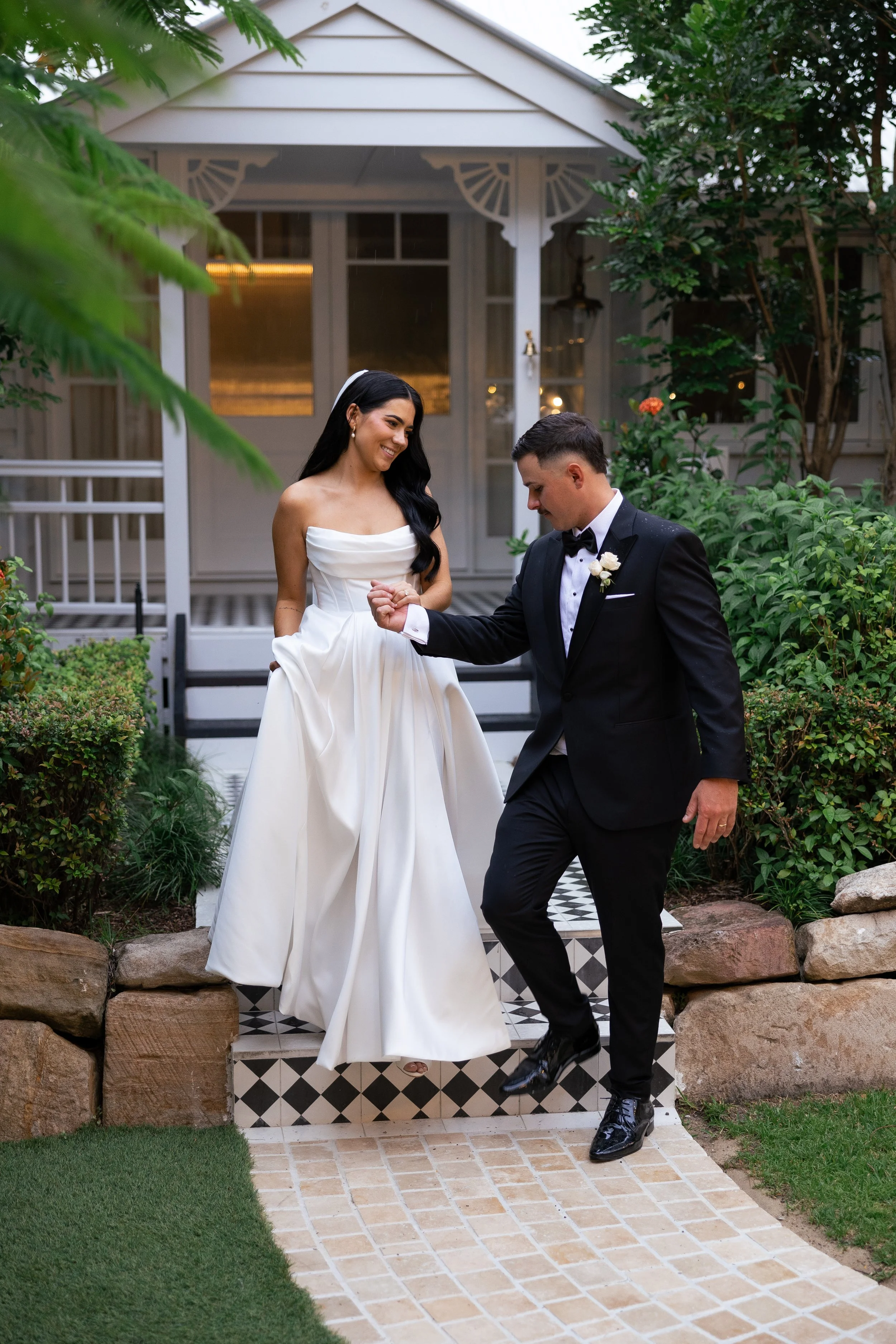
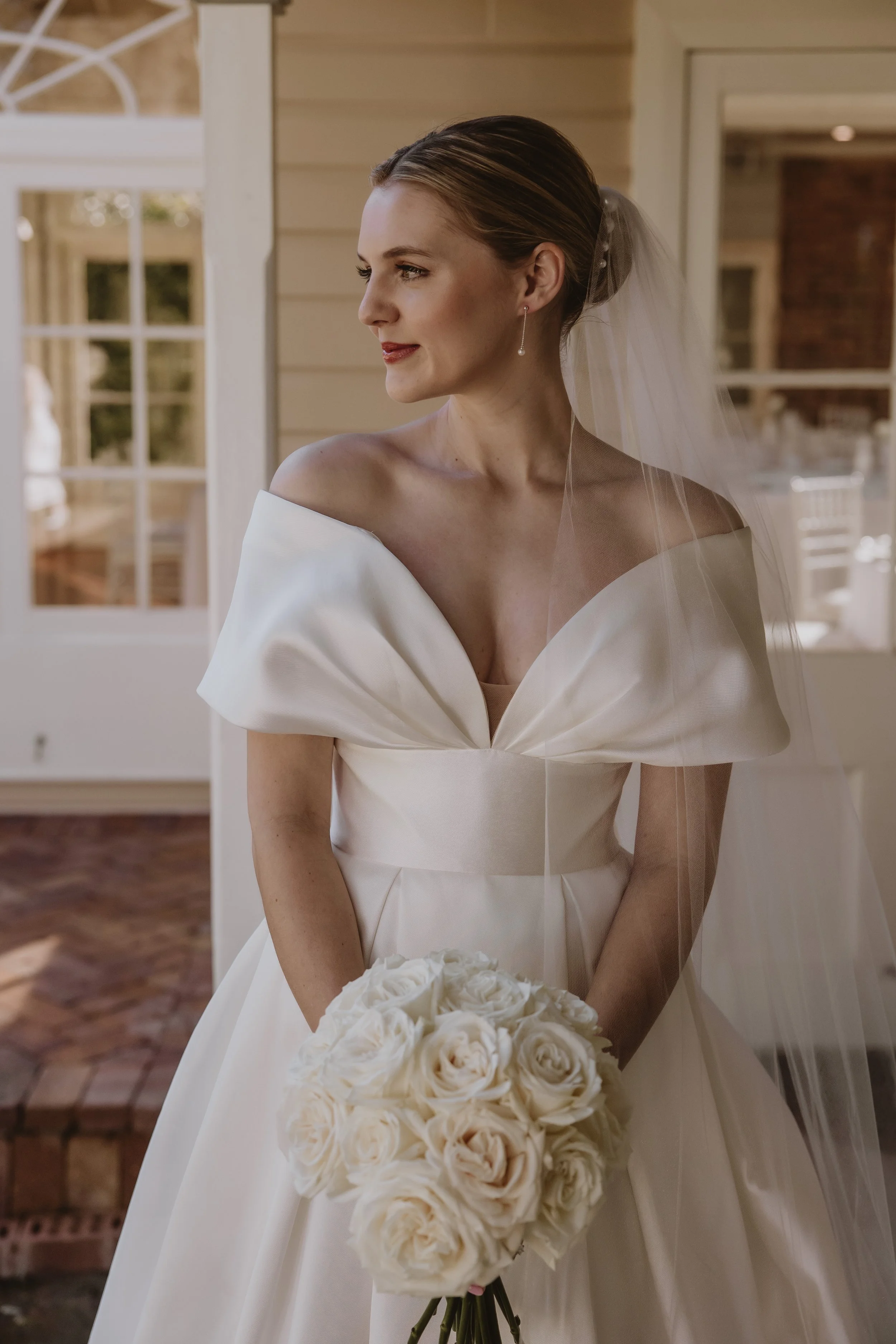
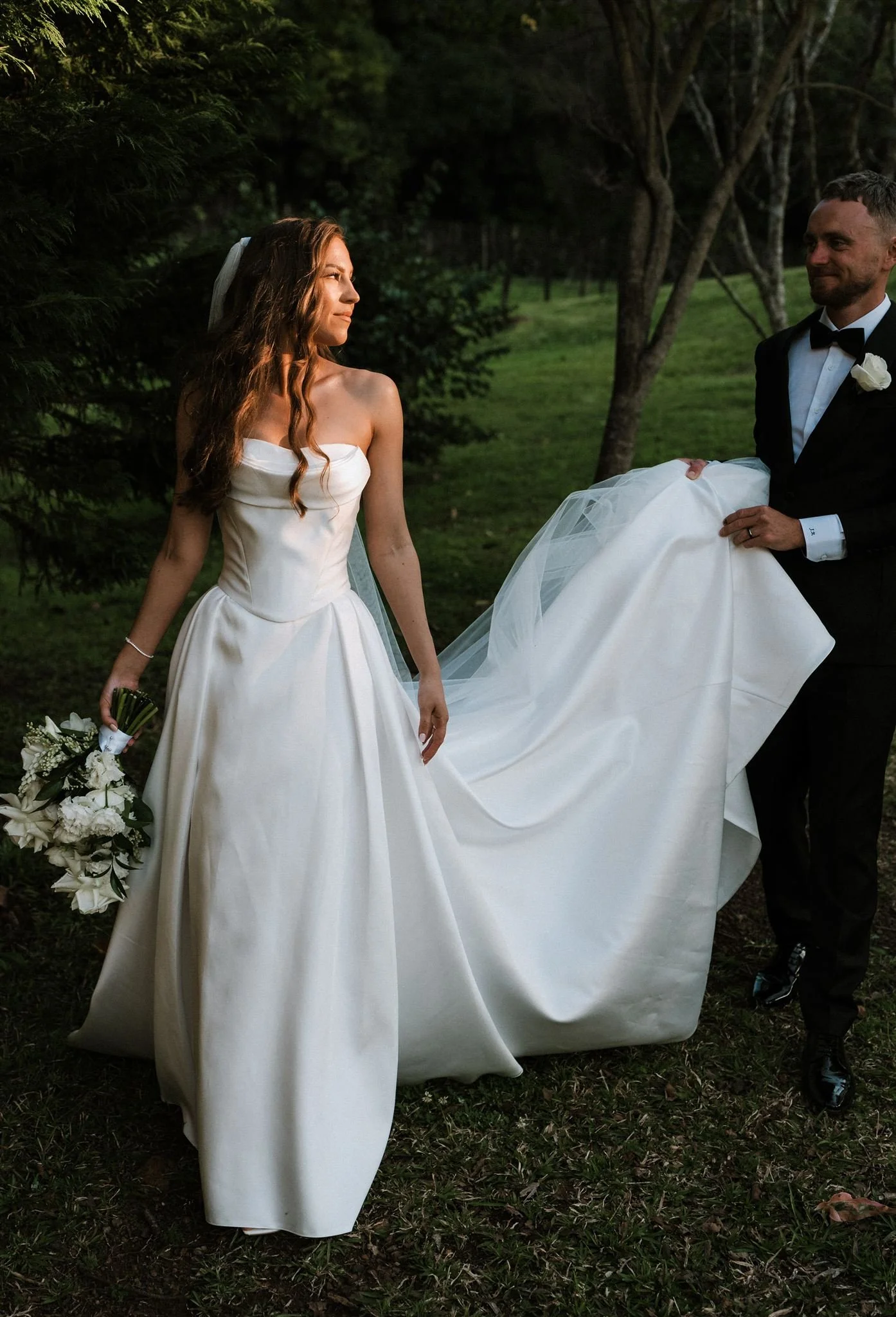
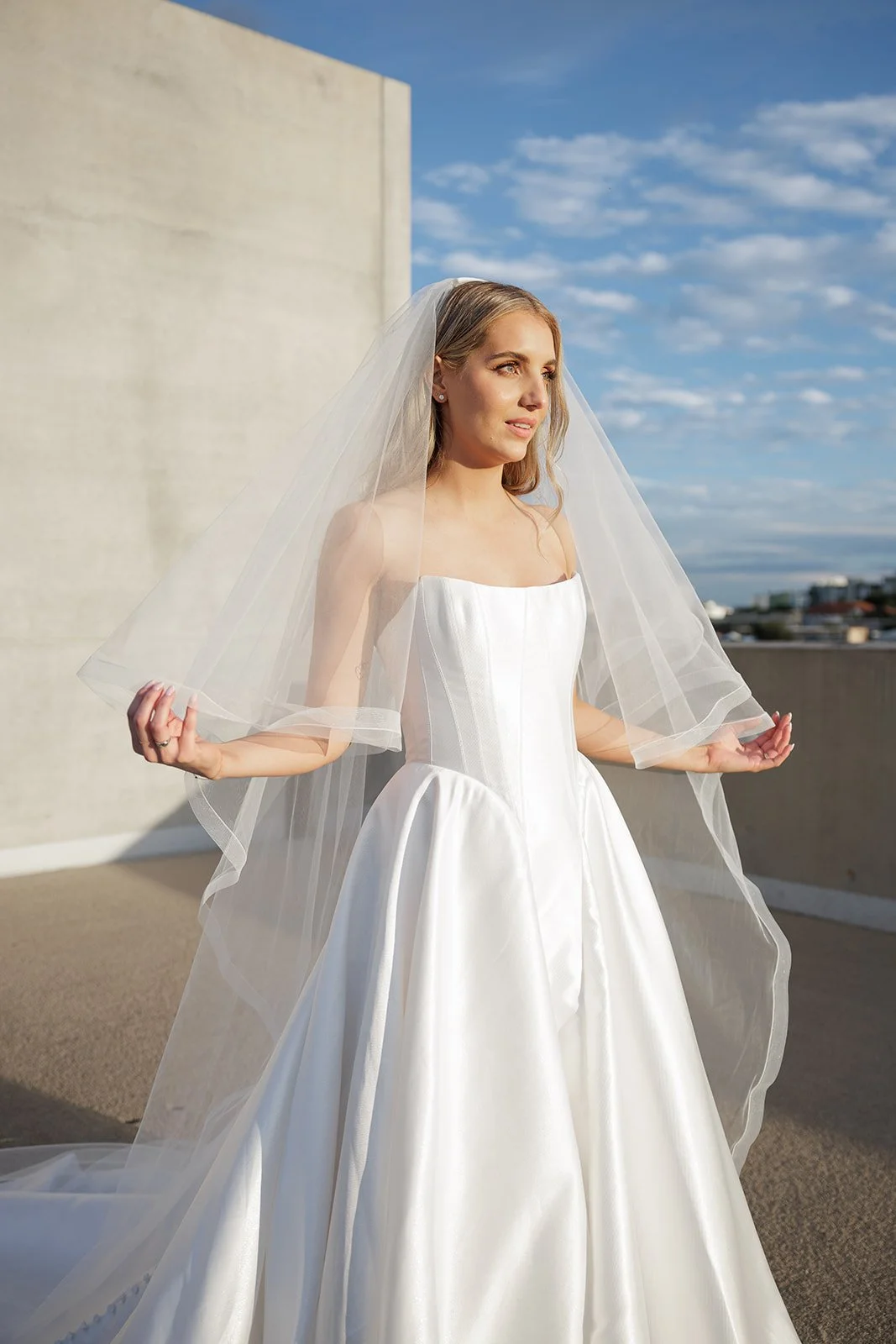
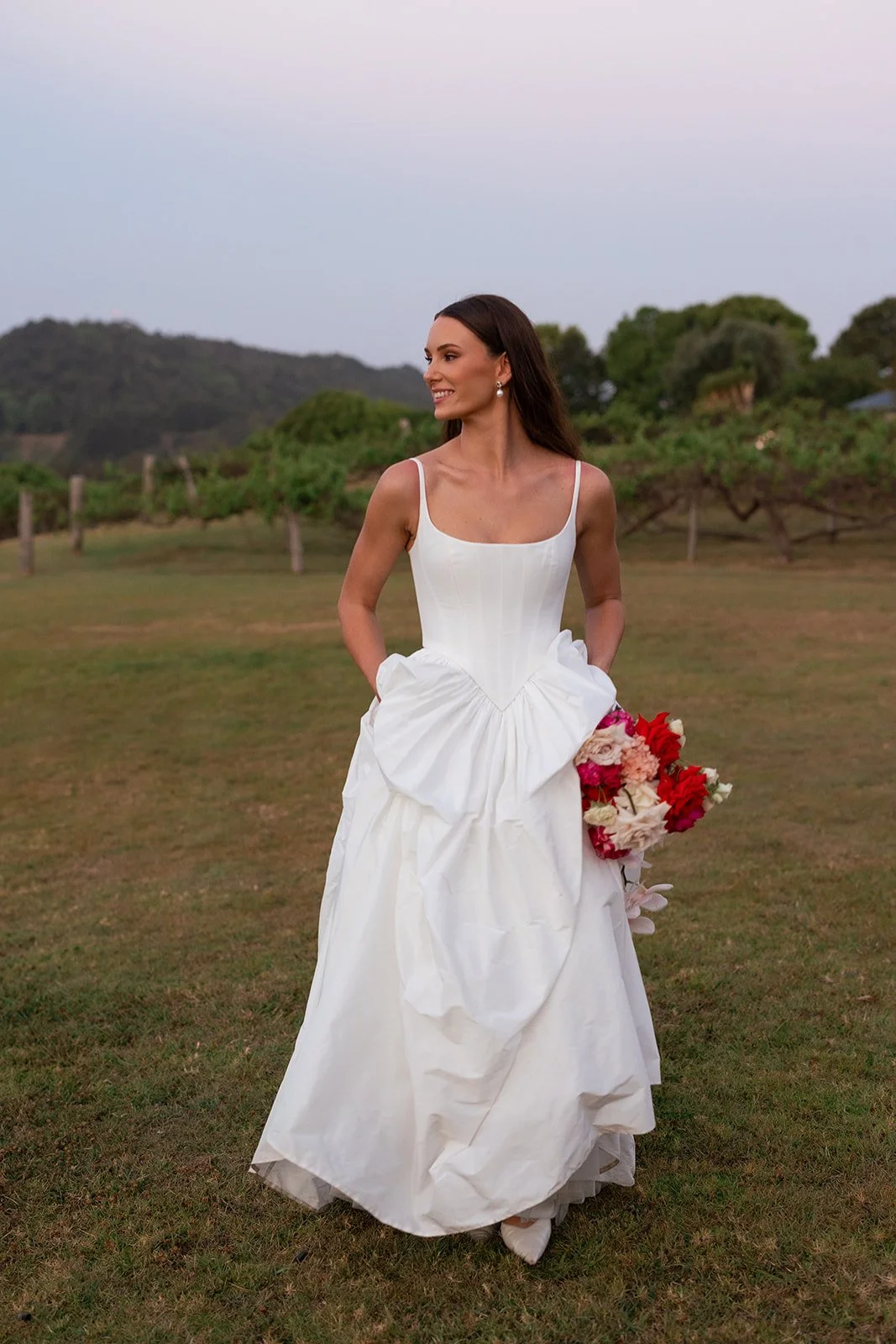
Mikado: The Sculptural Standout
The fabric of the season! Mikado is a thick fabric with a variety of textures known for its crisp structure and luminous finish. Commonly woven from a silk-blend it holds its shape beautifully and adds instant grandeur without relying on volume alone. This fabric is a favourite for brides drawn to bold, clean lines and architectural silhouettes. It also pairs beautifully with embellishments, offering a luxe base for beading, lace appliqué, or statement bows. Durable and refined, mikado is often seen in ballgowns, A-line styles and modern mermaid cuts.
Pros: Exceptional structure with a smooth, clean finish. Perfect for bold, architectural silhouettes
Cons: Can feel a little heavier and may crease if not handled carefully
Care: Best stored hanging. Use a gentle steam to remove any folds or wrinkles
Seen in: Avery & Elena by Trish Peng, Alaska by Anna Campbell and Wisteria by Alena Leena.
Silk: The Luxe Traditionalist
The queen of bridal fabrics, silk is a natural fibre prized for its soft handfeel and subtle, luminous sheen. Whether woven into satin, chiffon, or organza, silk brings fluidity and refined sophistication to any silhouette. A favourite among high-fashion and editorial-esque designs, its breathable nature makes it perfect for graceful draping and comfortable wear throughout your celebration.
When selecting a 100% silk gown, you can expect a higher price point as this natural fibre is a significantly involved process to fabricate.
Pros: Breathable, luxurious to the touch and timelessly elegant
Cons: A premium investment. Wrinkles easily and can show water spots
Care: Requires professional pressing. Keep away from moisture and handle with care
Seen in: Couture gowns and refined minimalist styles
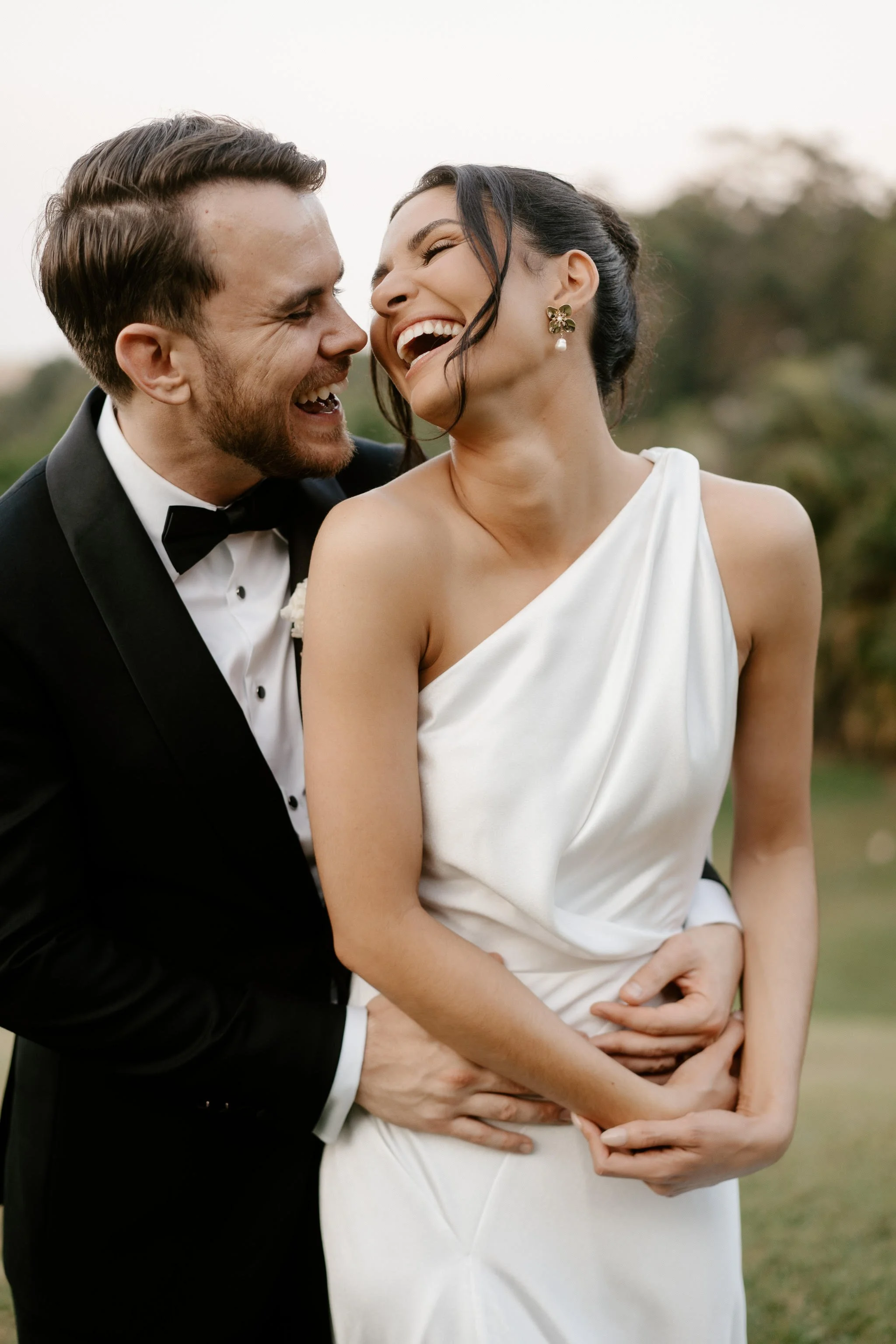
Satin: The High-Gloss Showstopper
Satin refers to a weave rather than a fibre and is often made from silk or polyester. With its glossy, smooth surface and heavier weight, satin lends structure and a striking, high-shine finish to bridal looks. The heavier Duchess satin, often crafted from silk, adds volume and shape, making it perfect for sculptural and polished silhouettes. Its creamy finish and sleek texture make it a favourite for formal, statement-making gowns. Depending on the quality of satin used, it is usually fairly resistant to wrinkles - just do a quick scrunch test to see how well it holds up.
Pros: Sleek and luminous, with beautiful structure. Photographs like a dream
Cons: May feel warm in hot climates and can show pulls or creases in lower-quality blends
Care: Handle with care. Dry clean and steam or press before the big day
Seen in: Presley skirt by Anna Campbell and Eve by Erin Clare Bridal
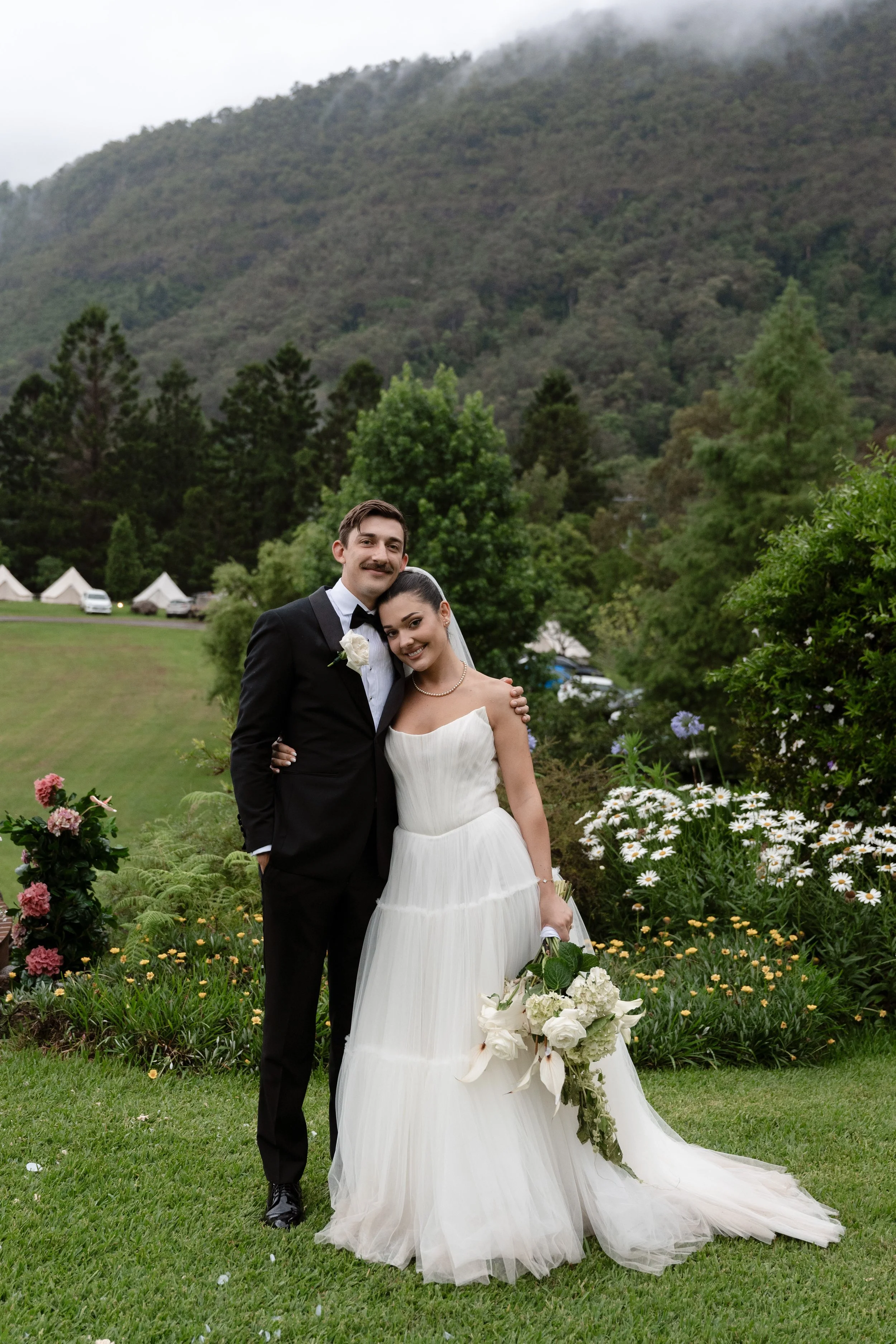
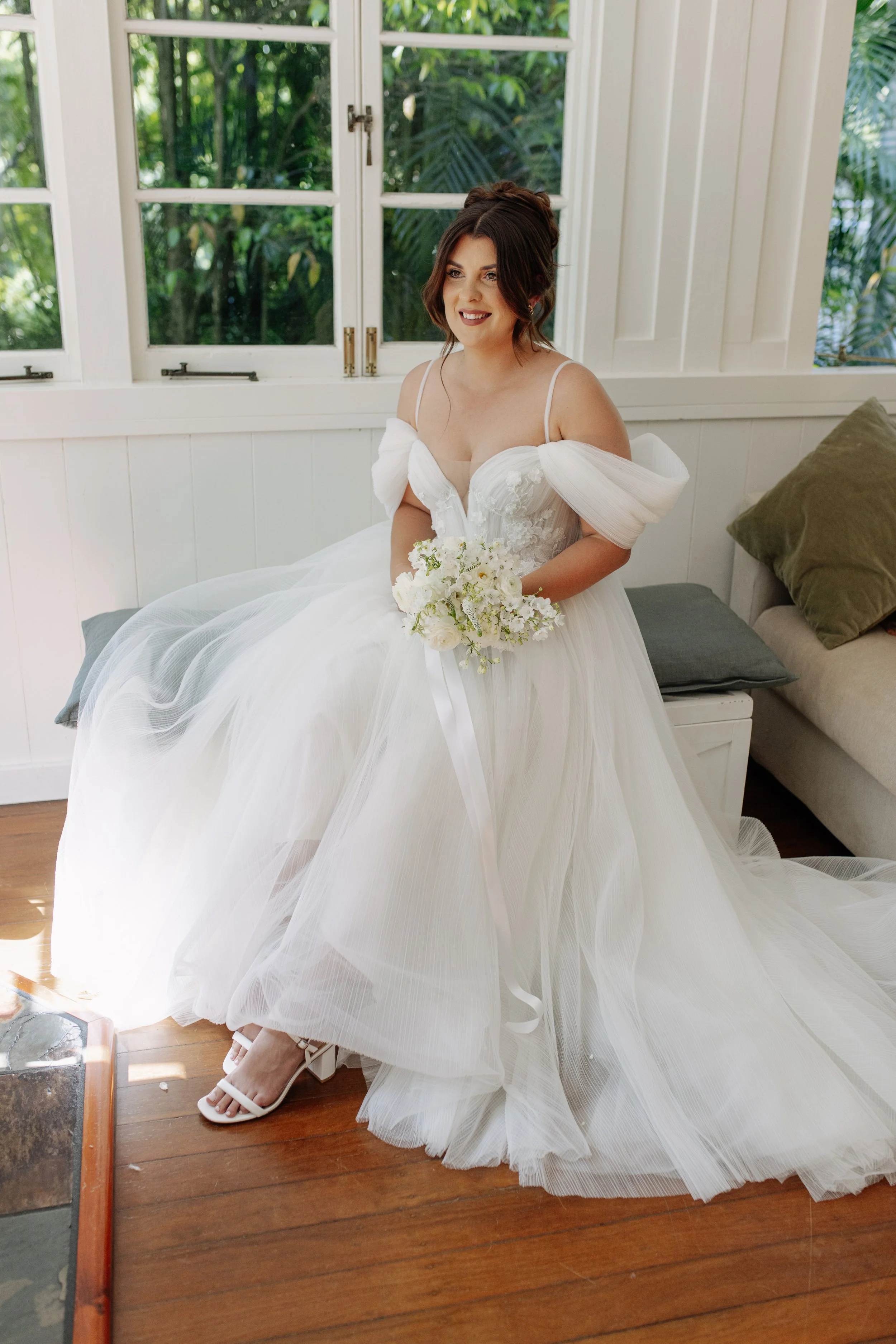
Tulle: The Fairytale Favourite
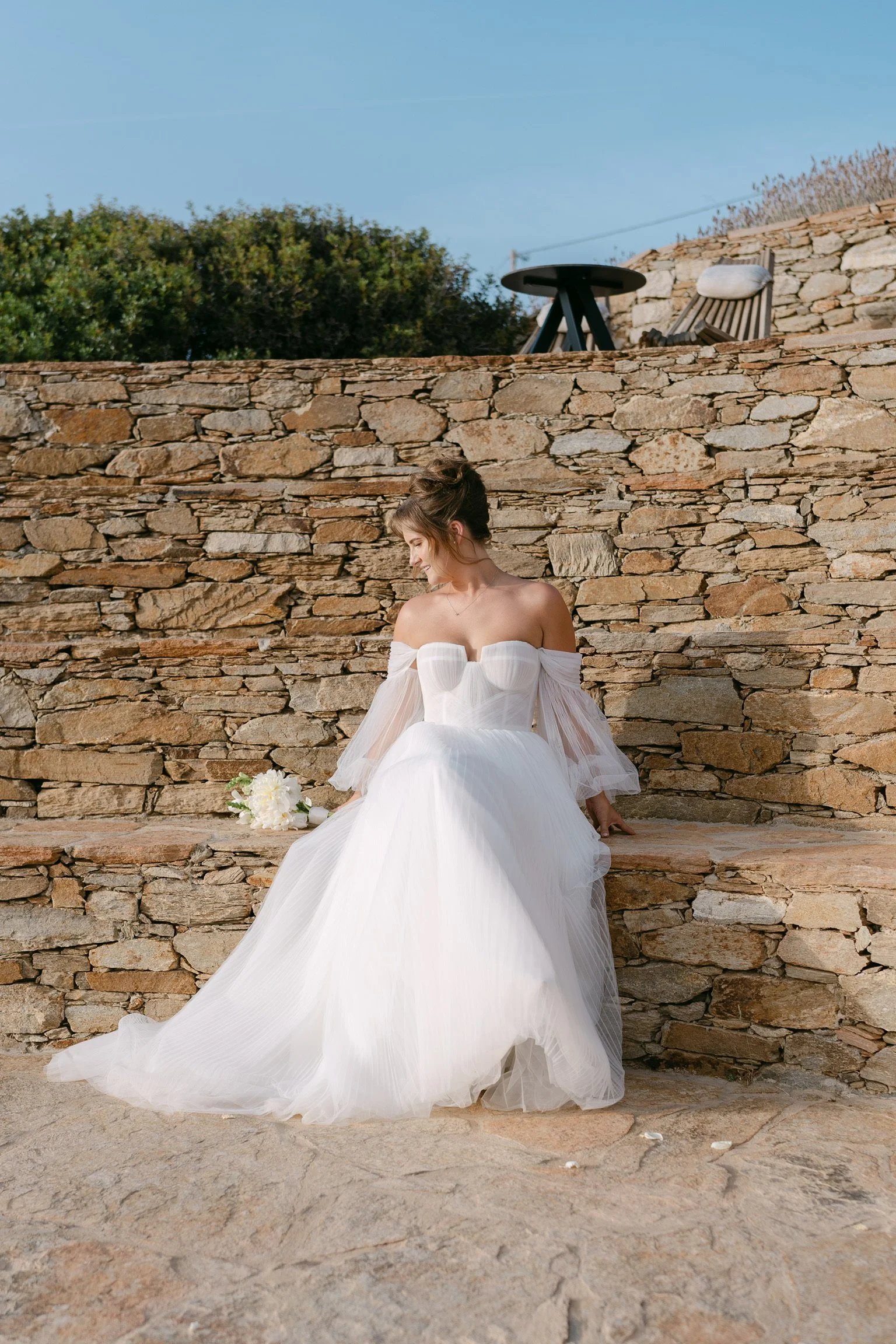
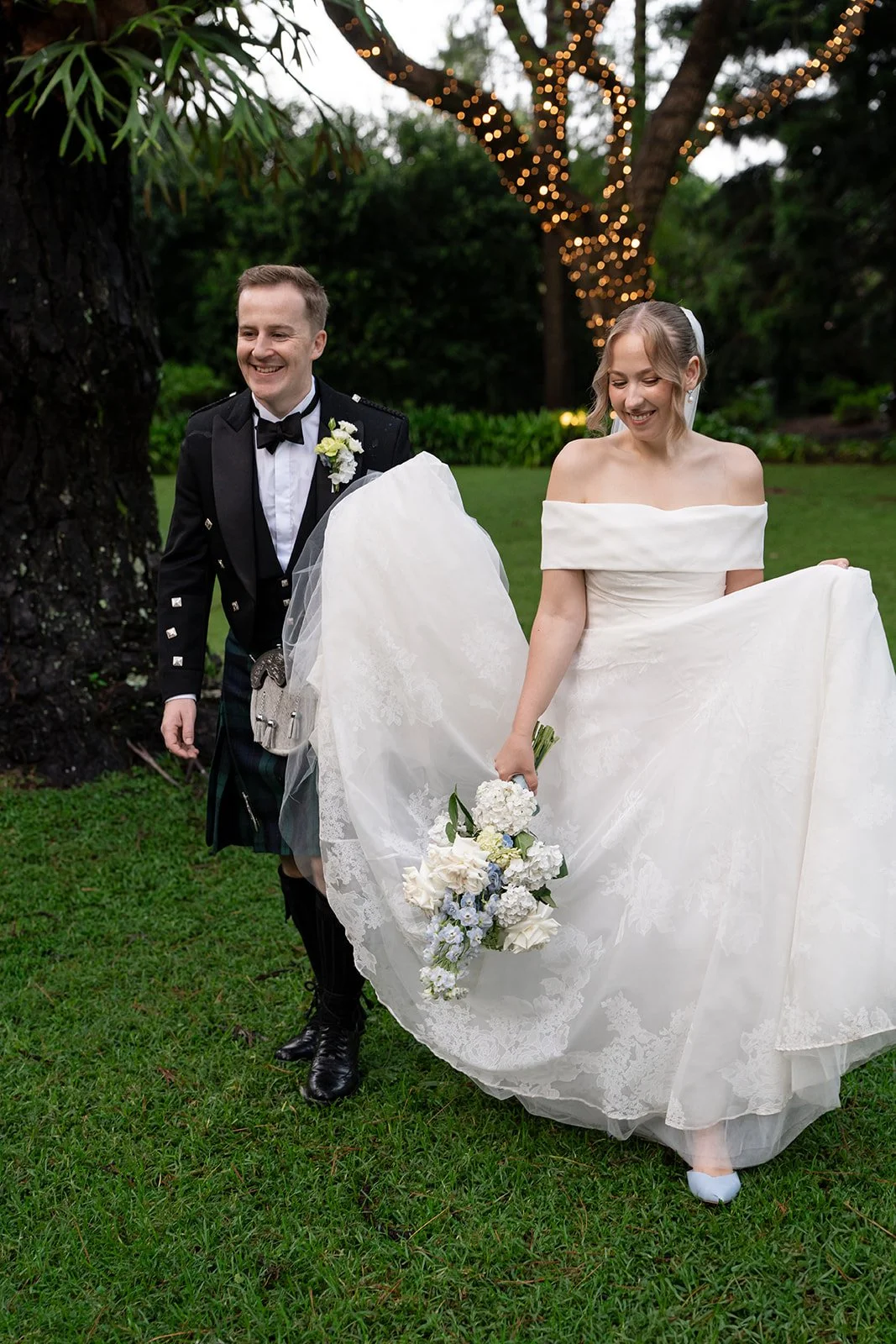
Soft, floaty and endlessly romantic, tulle adds volume without any added weight. Available in both structured and ultra-soft varieties, it’s a staple fabric for veils, layered skirts and statement overskirts. Cost-effective and breathable thanks to its netted construction, tulle is also a TVC favourite for pleated details and even bridal shoes. Its airy nature makes it perfect for adding delicate dimension while keeping you comfortable all day.
Pros: Feather-light and easy to layer. Adds ethereal texture and softness to any look
Cons: Can snag easily and doesn’t offer structure on its own
Care: Handle delicately and steam gently to refresh. Best stored with care to avoid tears
Seen in: As seen in Armeria by Alena Leena on Real Bride Cheryl as often used for detachable overskirts and veils.
Organza: The Crisp Contender
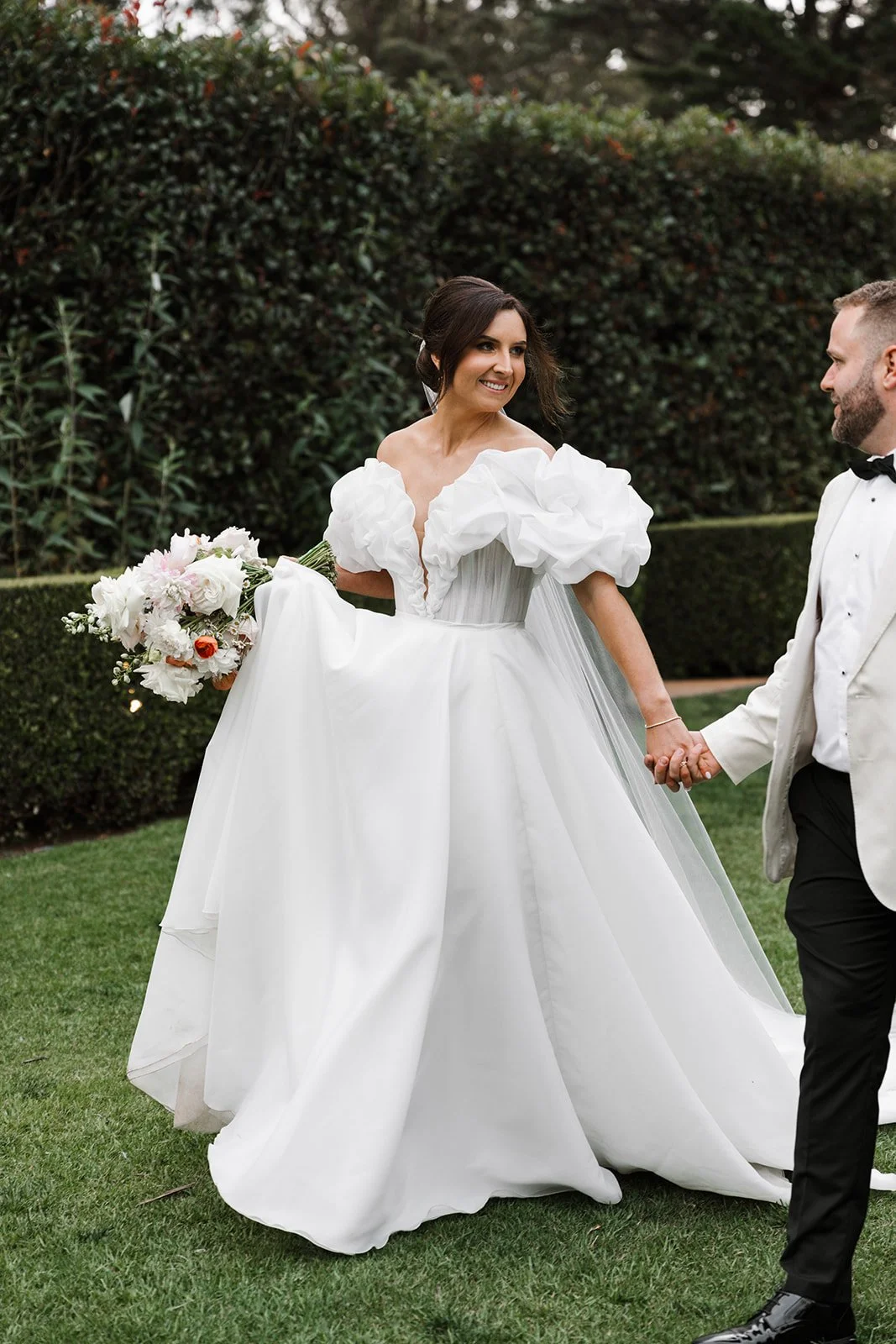
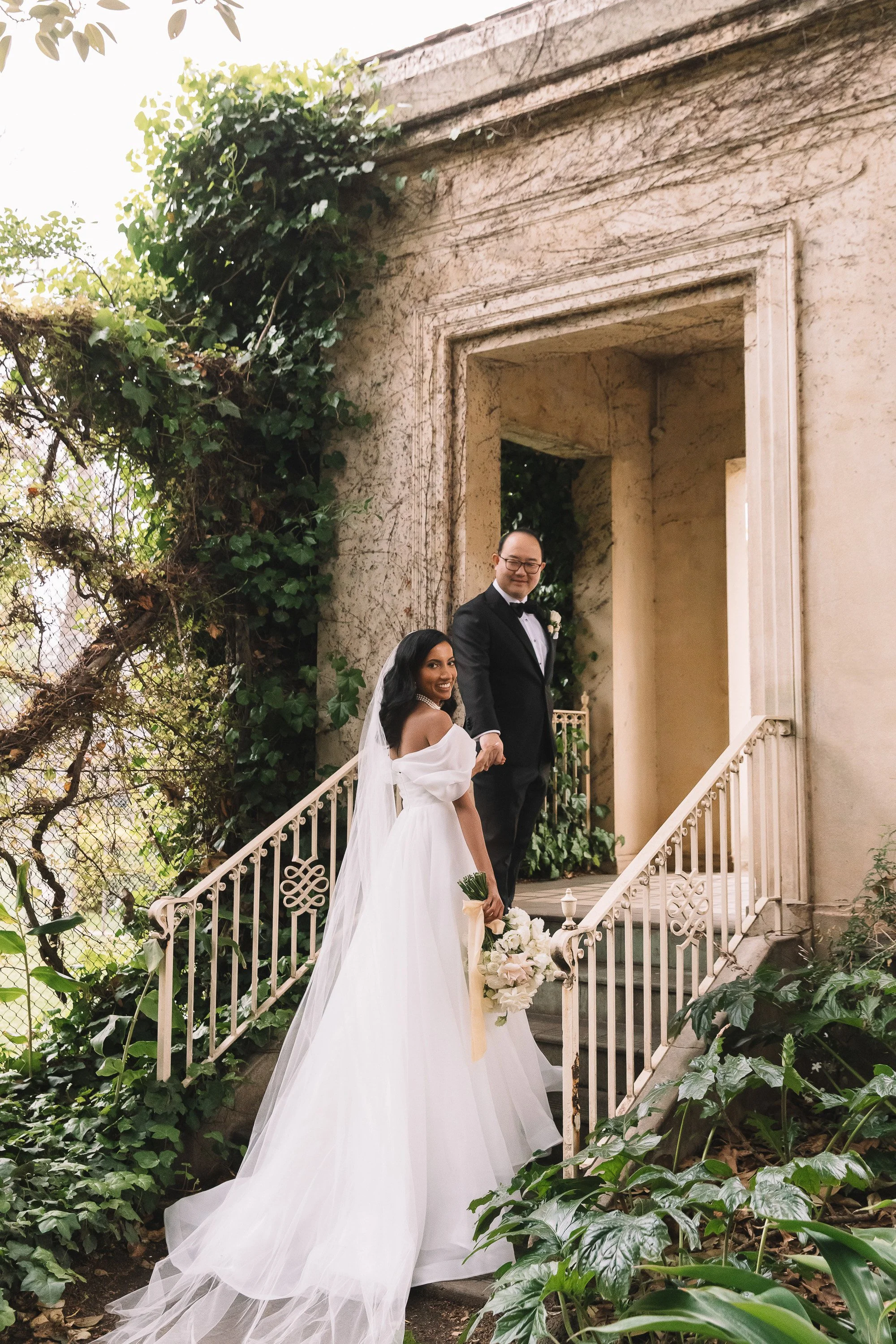
Organza is a sheer fabric with a crisp and slightly stiff texture that offers much more structure than other lightweight materials. A nice middle ground between satin and tulle - it holds its shape beautifully, making it ideal for adding volume, layering and sculptural details such as bows or sleeves without adding bulk. Lightweight yet defined, organza brings architectural interest to gowns while maintaining an airy feel.
Pros: Lightweight yet holds its shape beautifully. Adds subtle drama and definition to gowns
Cons: Can feel stiff or create sound with movement if overused
Care: Steam lightly and pack carefully to avoid creasing
Seen in: Sunset by Romanova Atelier, as worn by Real Bride Nethmi.
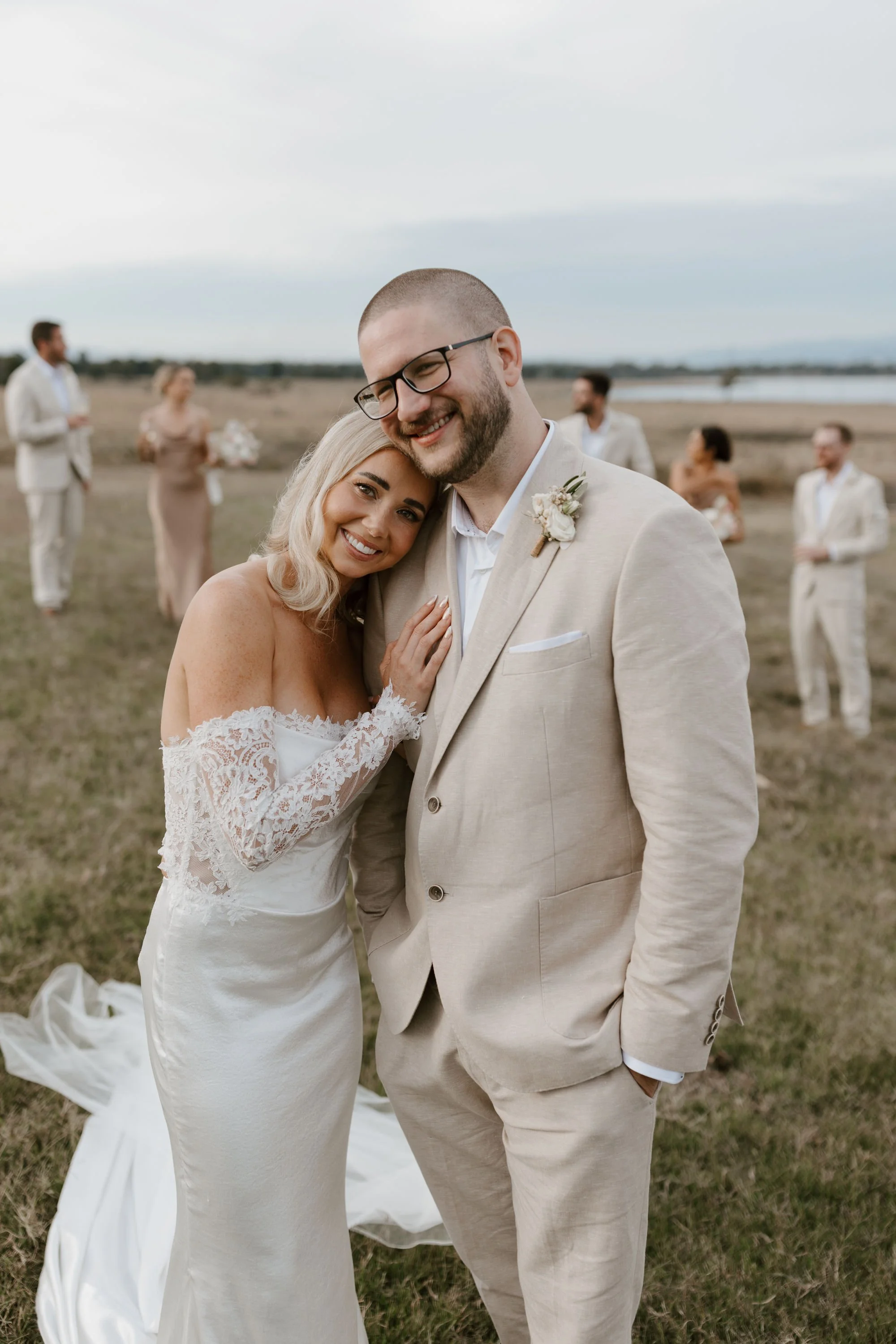
Lace: The Timeless Romantic
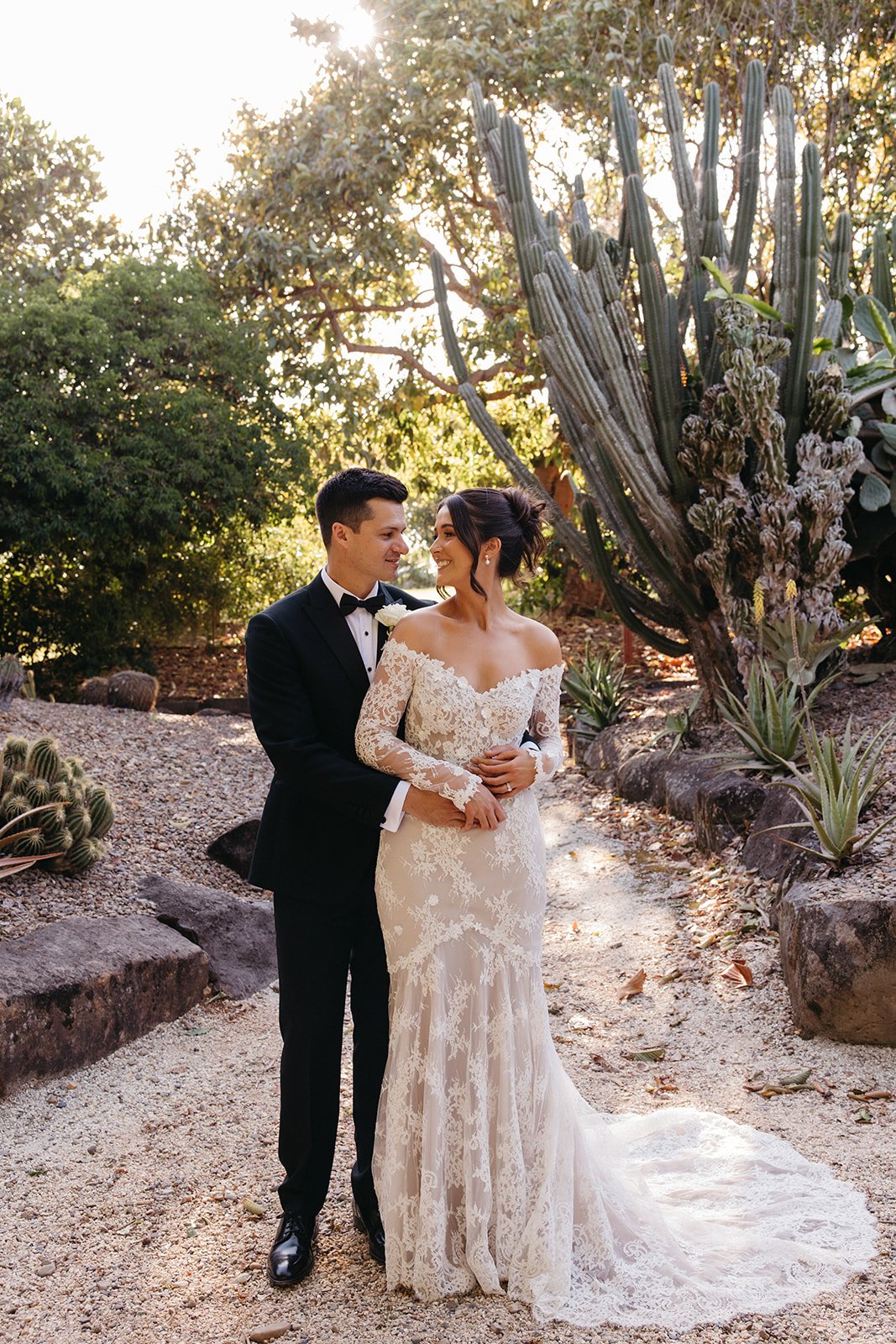
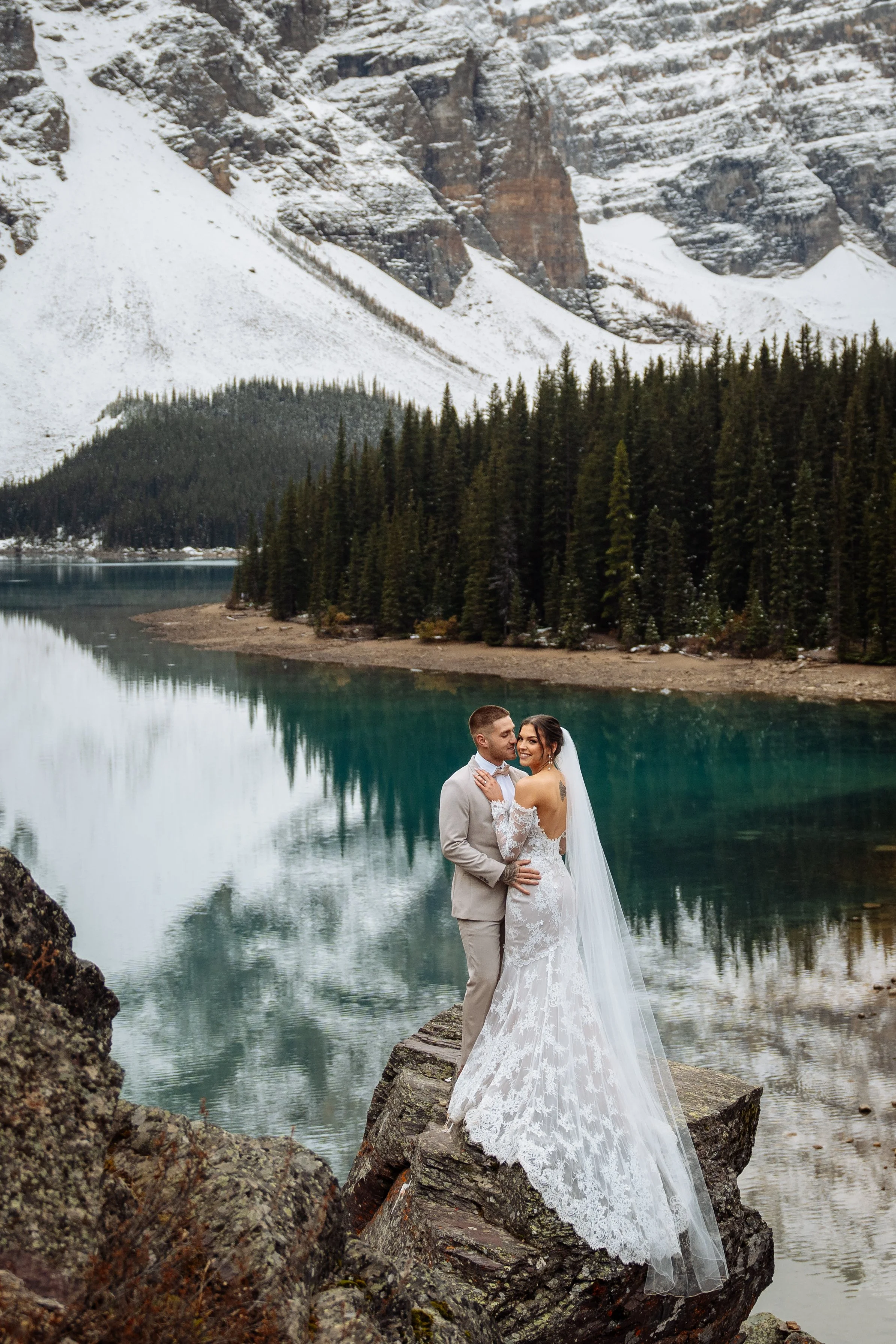
Lace is endlessly romantic and adds detail like no other fabric. It is often used for overlays, sleeves and bodices, instantly bringing charm and visual interest. Lighter chantilly lace is easy to wear and typically features delicate floral patterns, while vintage-inspired Alençon lace offers a bolder, more traditional and slightly heavier look. Lace is also a popular choice for veils, most commonly seen in the form of a mantilla and detachable boleros.
Pros: Intricate and detailed. Adds visual texture while helping disguise small imperfections
Cons: Beaded or heavier lace may feel warm and embellishments can make alterations more complex
Care: Handle with care and store flat or gently hung to prevent snags
Seen in: Ruby by Vagabond Bridal, Ginia by House of St. Patrick and Dahlia by Alena Leena.
Crepe: The Minimalist's Muse
Crepe has been less available in recent bridal collections, however it offers a reprieve from the heaviness of mikado and satin. Crepe is quietly sophisticated with its matte finish, soft stretch and effortless drape. It hugs the body with a fluid grace, making it a go-to for modern, unfussy gowns with sleek lines. Lightweight and breathable, crepe is especially loved for warm-weather weddings, offering comfort from aisle to afterparty. Its subtle give also makes it ideal for fitted styles, sculpting the body without ever feeling rigid or restrictive.
Pros: Incredibly comfortable and breathable, with a gentle stretch that moves beautifully. Often wrinkle-resistant, making it a dream for dancing the night away
Cons: May reveal contours of the body which often means shapewear is recommended for a smooth and seamless finish
Care: Low maintenance and travel-friendly. A light steam will have it looking fresh and photo-ready
Seen in: Vagabond Bridal’s Gia and Alena Leena’s Agapanthus.
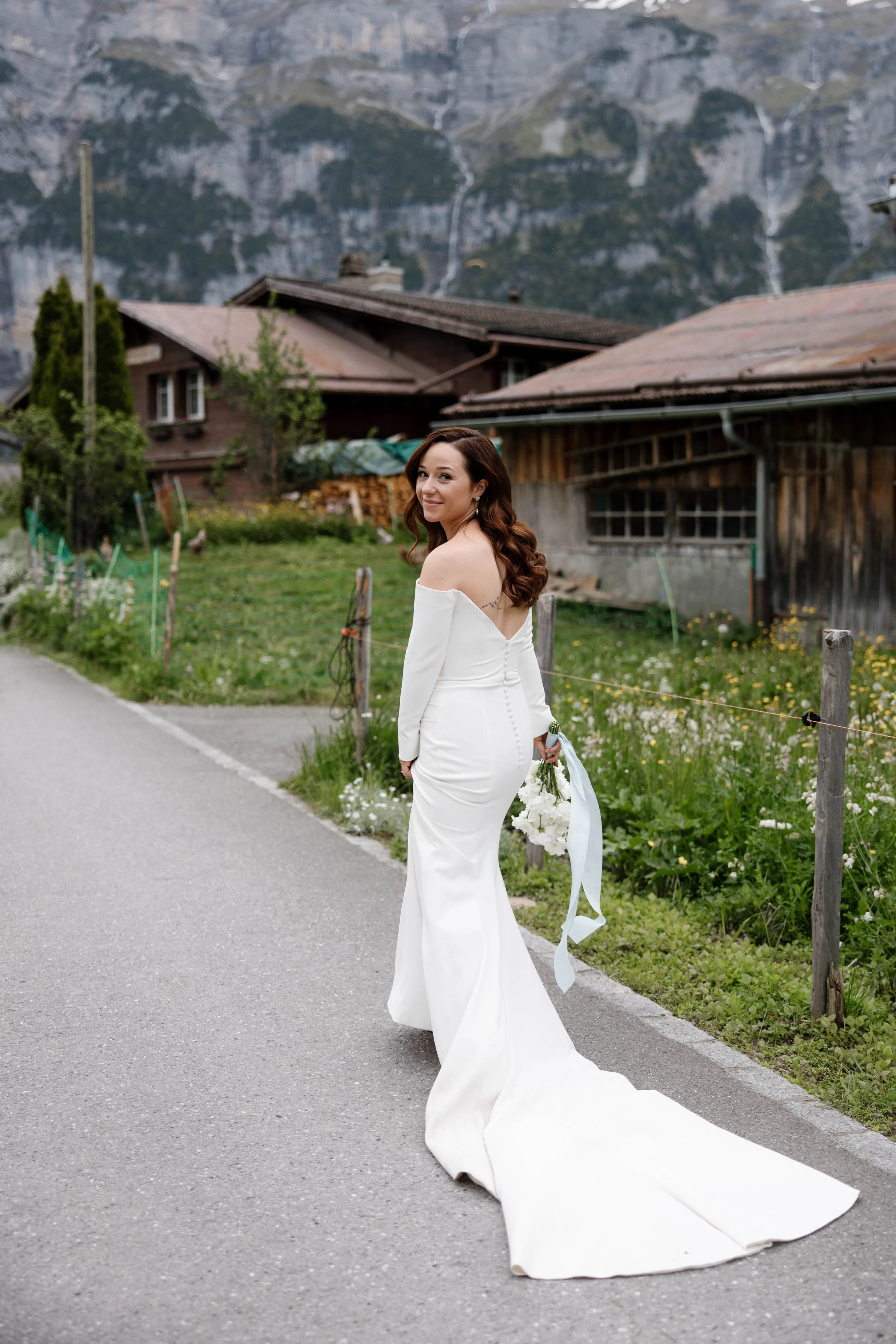
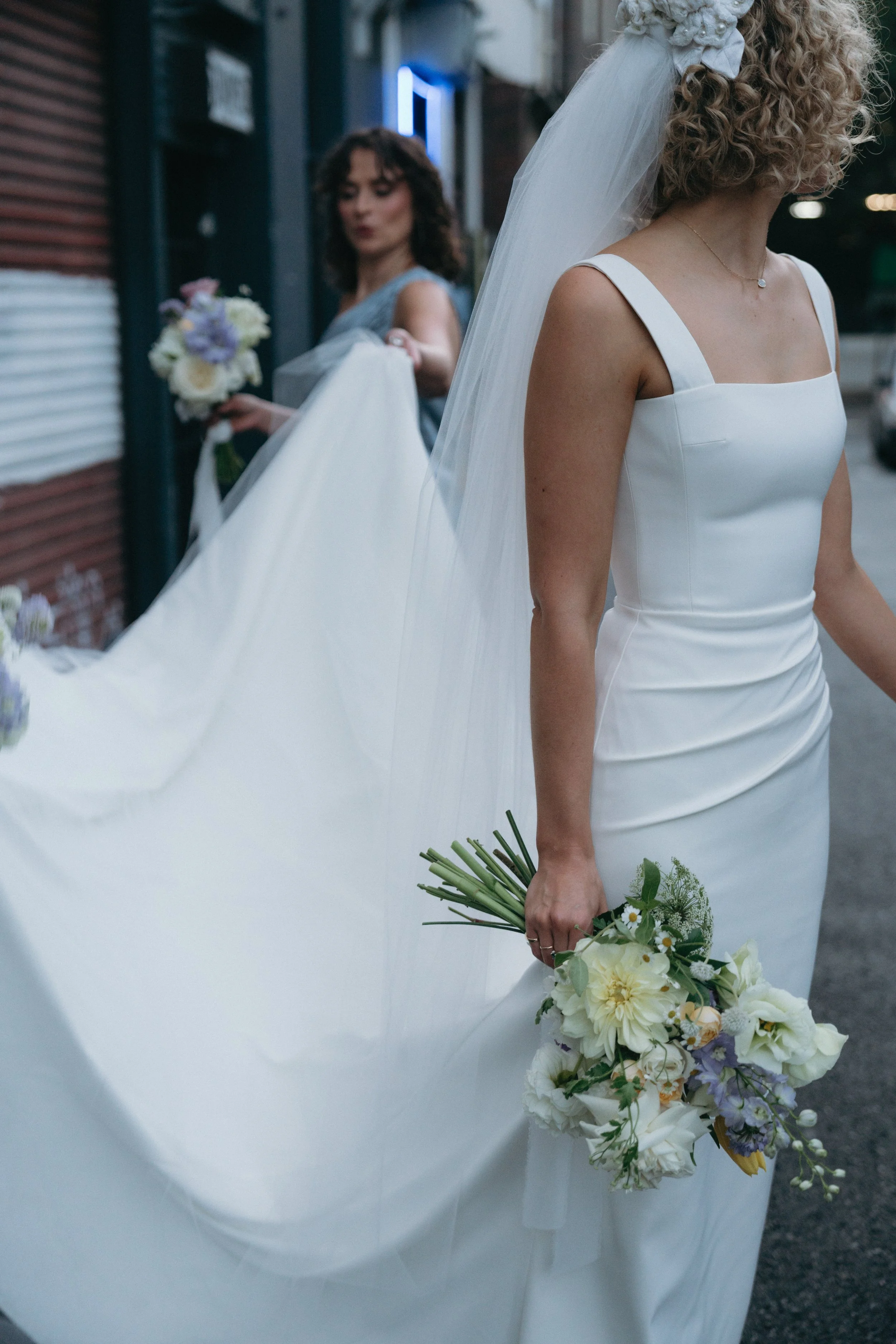
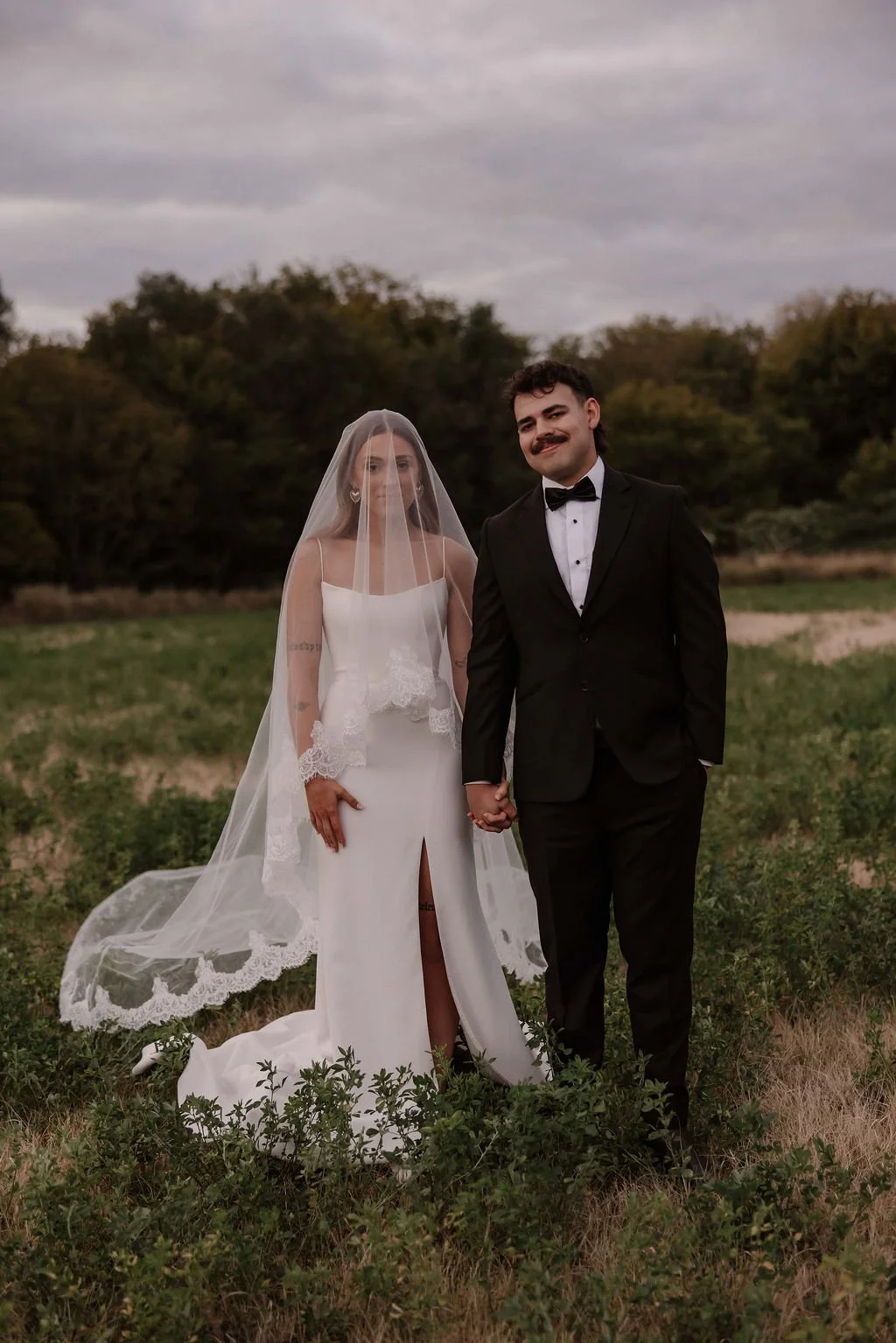
Your gown’s fabric is the secret ingredient behind how it feels to wear, how it moves with you and how it captures the light in every photograph. From the silky softness of crepe to the crisp drama of mikado, each fabric tells a different story. Your bridal stylist will help you find the one that best fits yours.
Still unsure? Try on a few gowns made from contrasting fabrics. Your stylist can walk you through how each one behaves, feels and transforms your silhouette.